Vision ARRP focuses on key ecological landscapes in Ethiopia, including the Amhara Region, Oromia Region, Southern Nations, Nationalities and Peoples’ Region, and Benishangul-Gumuz Region.
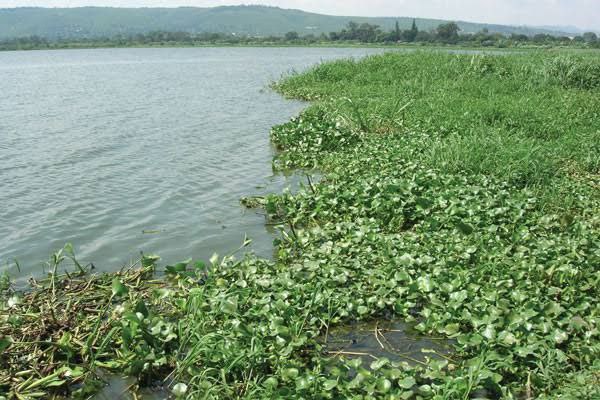
These regions contain critical lakes, wetlands, and river systems that support biodiversity and millions of livelihoods.
These groups face multiple and intersecting challenges, including harmful traditional practices, abuse, sexual and gender-based violence (SGBV), limited or no work experience, and restricted access to youth- and disability-friendly services. They also encounter barriers to sustainable livelihoods, skills development, and inclusive opportunities, as well as an enabling policy and regulatory environment that does not adequately respond to their needs or support their participation and protection.
Communities whose cultural identity, knowledge systems, and livelihoods are closely tied to local ecosystems and natural resource stewardship.
Households led by women who often face greater exposure to environmental vulnerability, livelihood insecurity, and limited access to support systems.
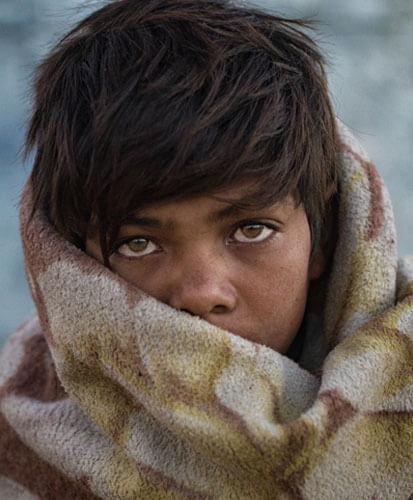
Young people who can contribute to ecosystem restoration, innovation, awareness building, and long-term resilience in their communities.
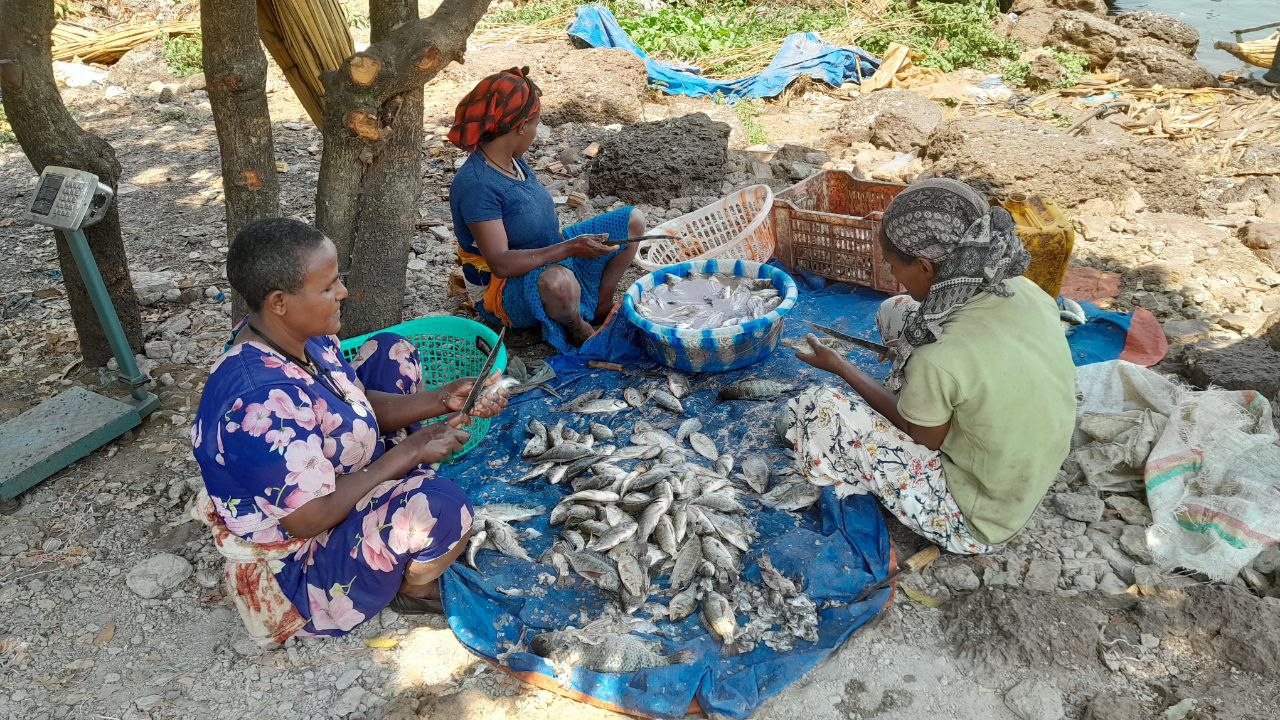
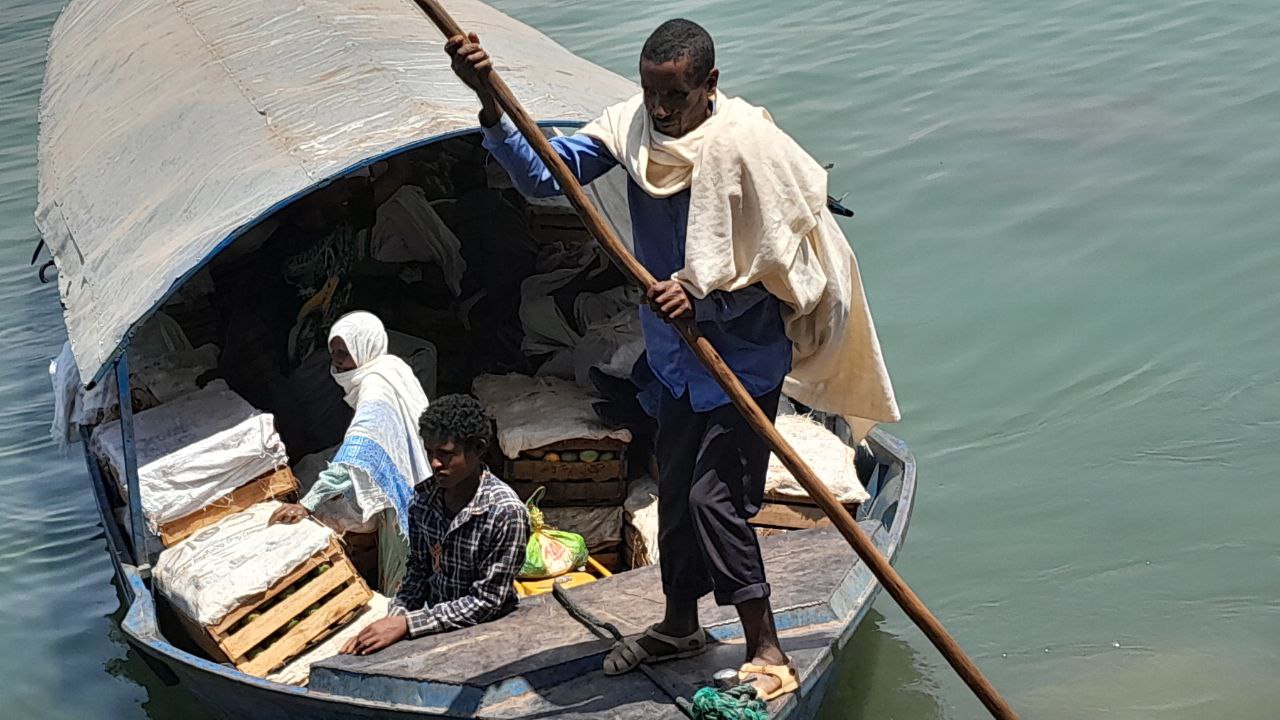
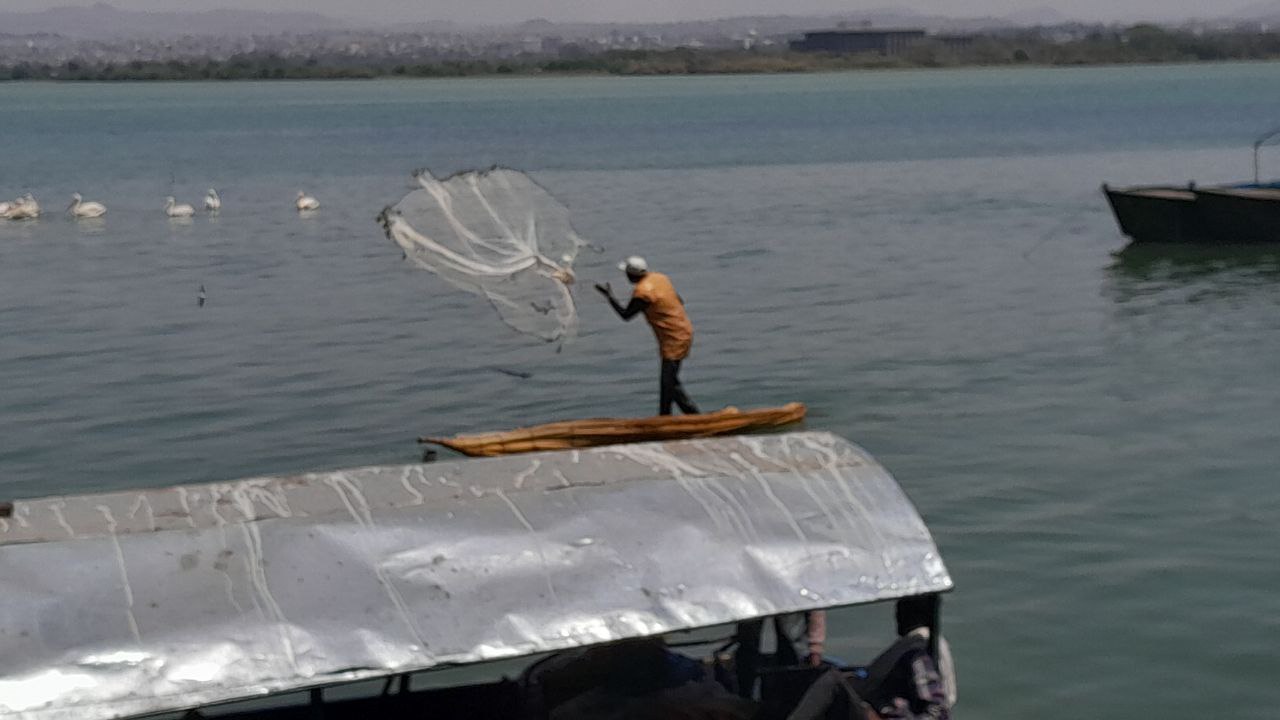
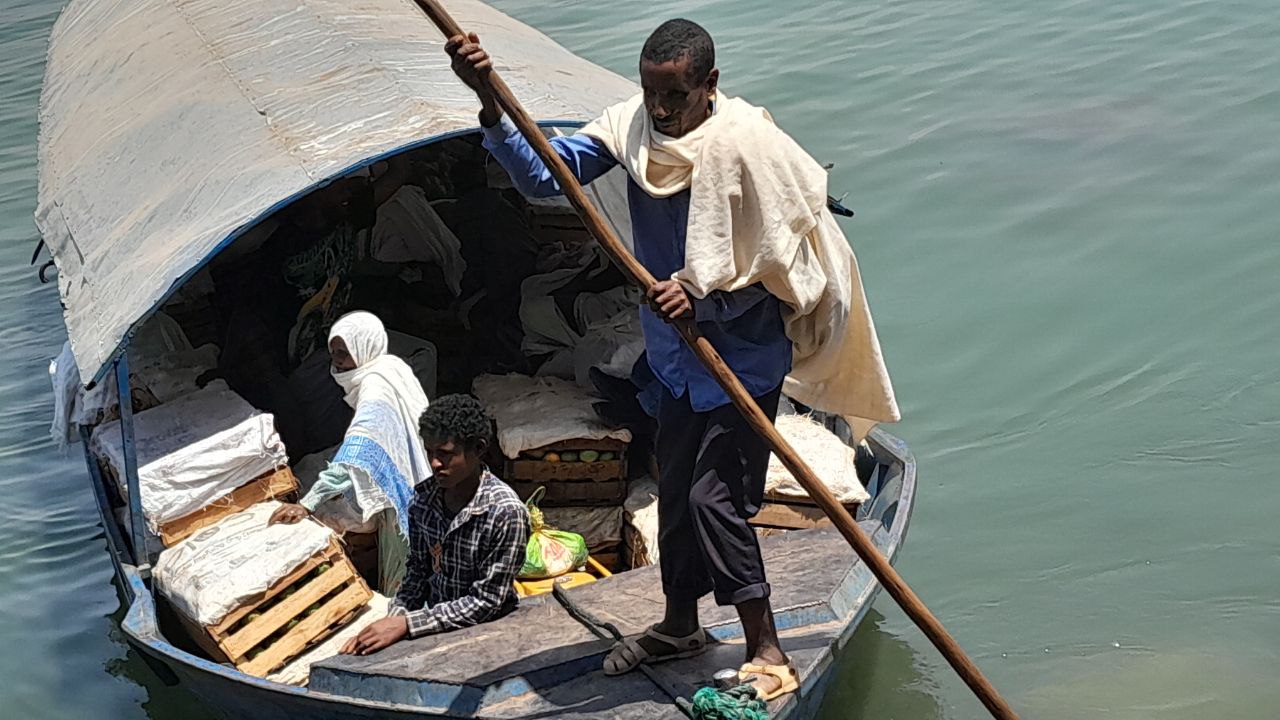
Communities whose livelihoods and food security depend on healthy lake, wetland, and river ecosystems and sustainable aquatic resources.
Rural households affected by land degradation, water stress, and ecosystem change that directly influence agricultural productivity and wellbeing.
Pastoral and agro-pastoral households that depend on healthy rangelands, water access, and resilient ecosystems for their livelihoods.
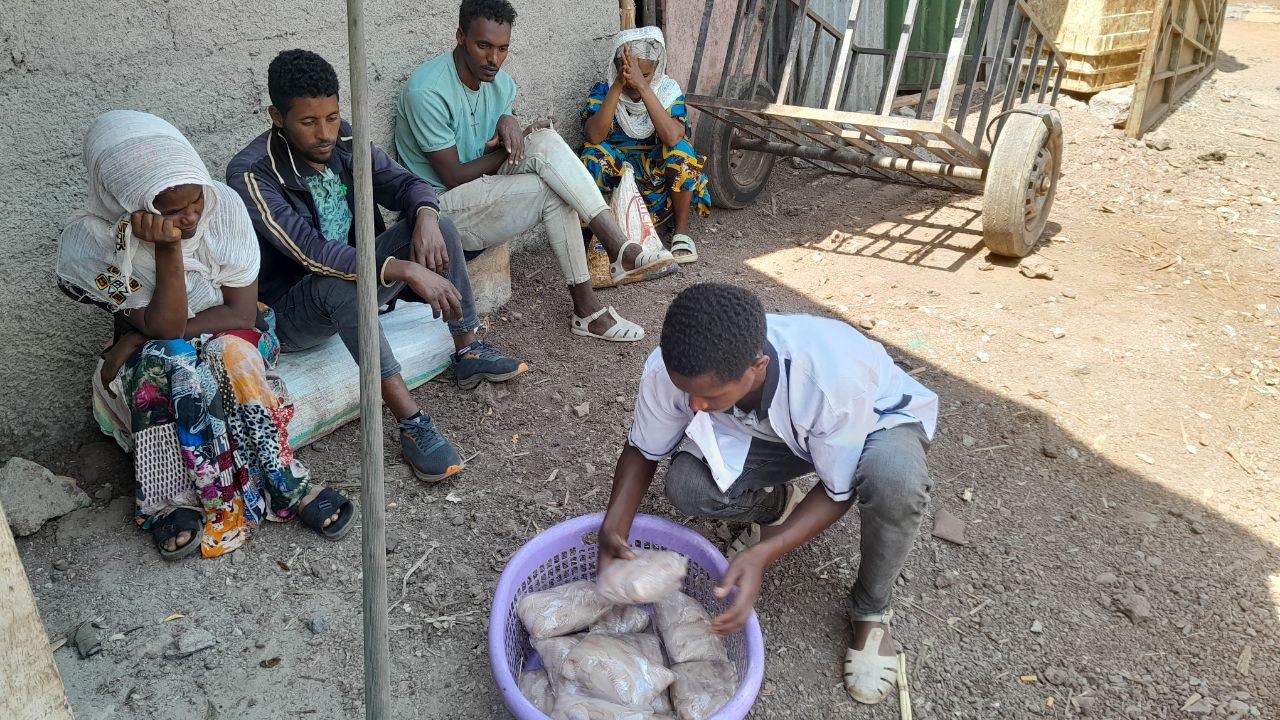
Displaced populations and surrounding host communities facing environmental pressure, limited services, and growing demands on local natural resources.