Restoring Nature. Strengthening Communities. Protecting Health.
Healthy Ecosystems, Healthy Communities
Summary
Healthy Ecosystems, Healthy Communities.
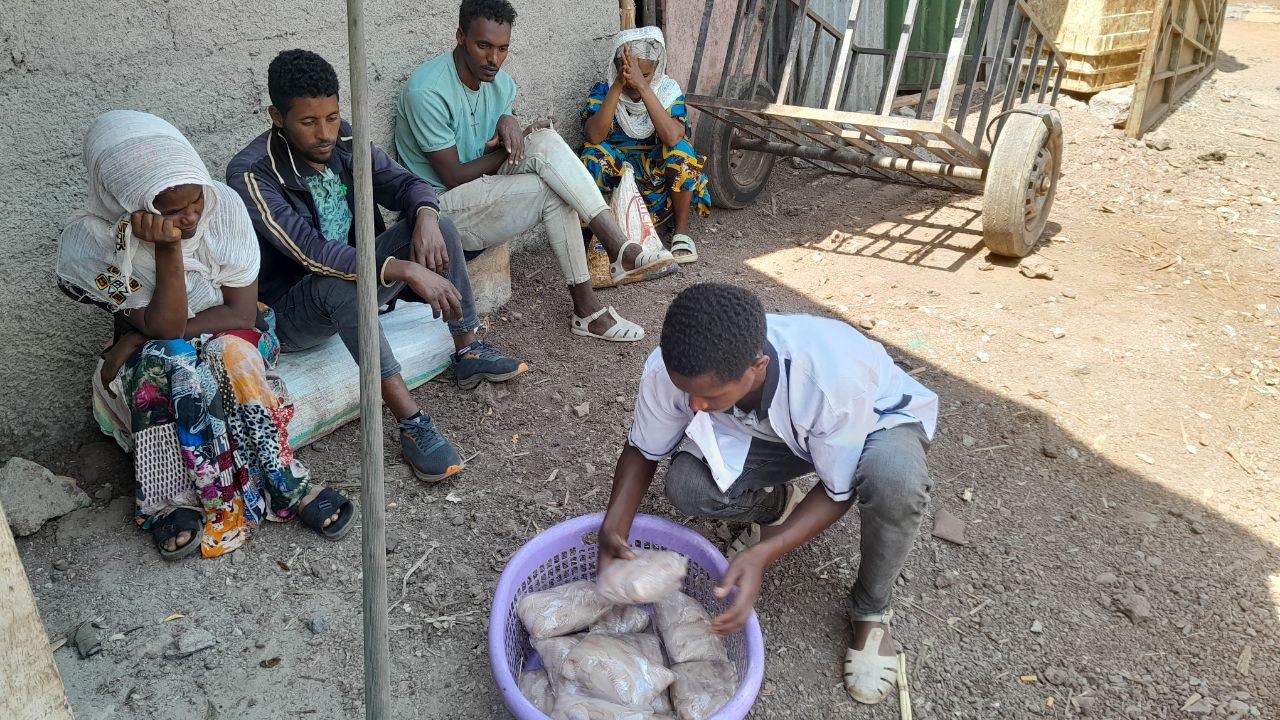
Healthy ecosystems are fundamental to human health and well-being. In Ethiopia particularly Oromiya, Amhara, Benishangul Gumuz, and the Southern Nations lake ecosystems and surrounding environments face growing threats from climate change, human interference, conflict, and rapid, unplanned urban expansion. These interconnected pressures are driving environmental degradation that undermines ecosystem integrity and community health, placing vulnerable groups including women (especially female-headed households), girls, internally displaced persons (IDPs), persons with disabilities, and youth at heightened risk of losing protection of their rights to life, health, and equitable livelihoods.
Vision ARRP (Vision Alliance for Restoration, Resilience and Protection) works with communities particularly women and girls as well as civil society organizations, including women-led and women’s rights organizations, and NGOs, to restore degraded ecosystems, strengthen resilience, and advance the protection and realization of their rights. The alliance advances integrated, conflict-sensitive, and sustainable approaches linking environment and public health. This includes prevention and control of waterborne diseases, malaria and other neglected tropical diseases, and non-communicable disease risk factors such as tobacco use. It also addresses public health emergencies and traffic-related injuries influenced by environmental conditions, population dynamics, and behavioral factors, while promoting healthy, eco-friendly, and livable urban environments.
Key Focus areas
Vision ARRP promotes integrated solutions that address environmental, health, and socio-economic challenges in vulnerable ecosystems and communities.
Health Promotion and Risk Reduction
Promoting health awareness and advocating for public health policies, legislation, and responsive health services to reduce health inequities driven by social determinants of health; addressing communicable and noncommunicable diseases (NCDs) and their key risk factors such as tobacco use, sugary drink consumption, and other harmful behaviors.
Lake and Wetland Ecosystem Restoration
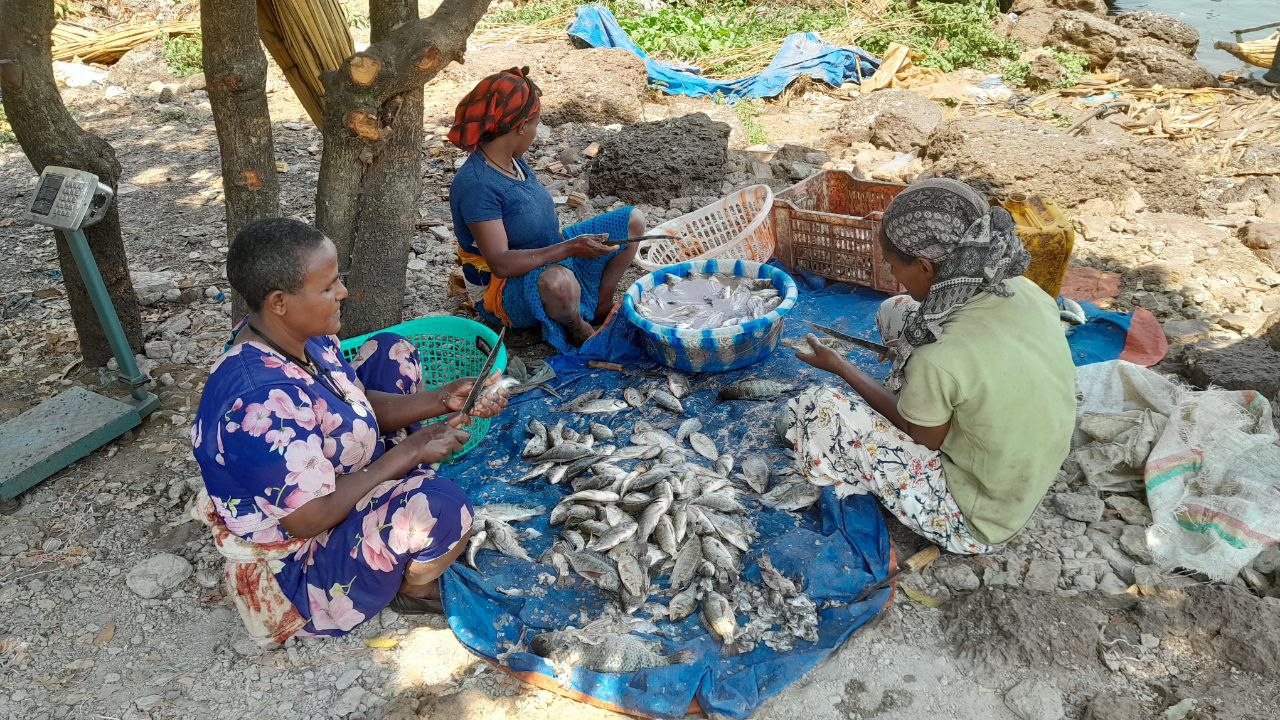
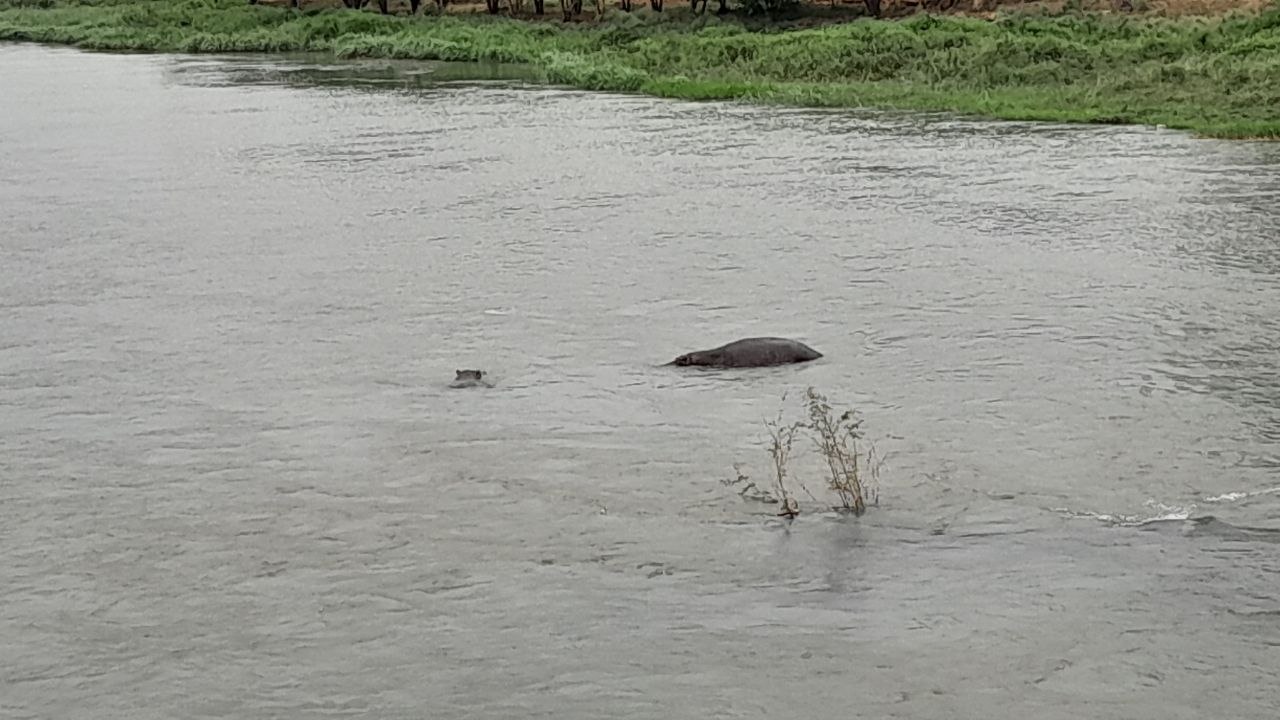
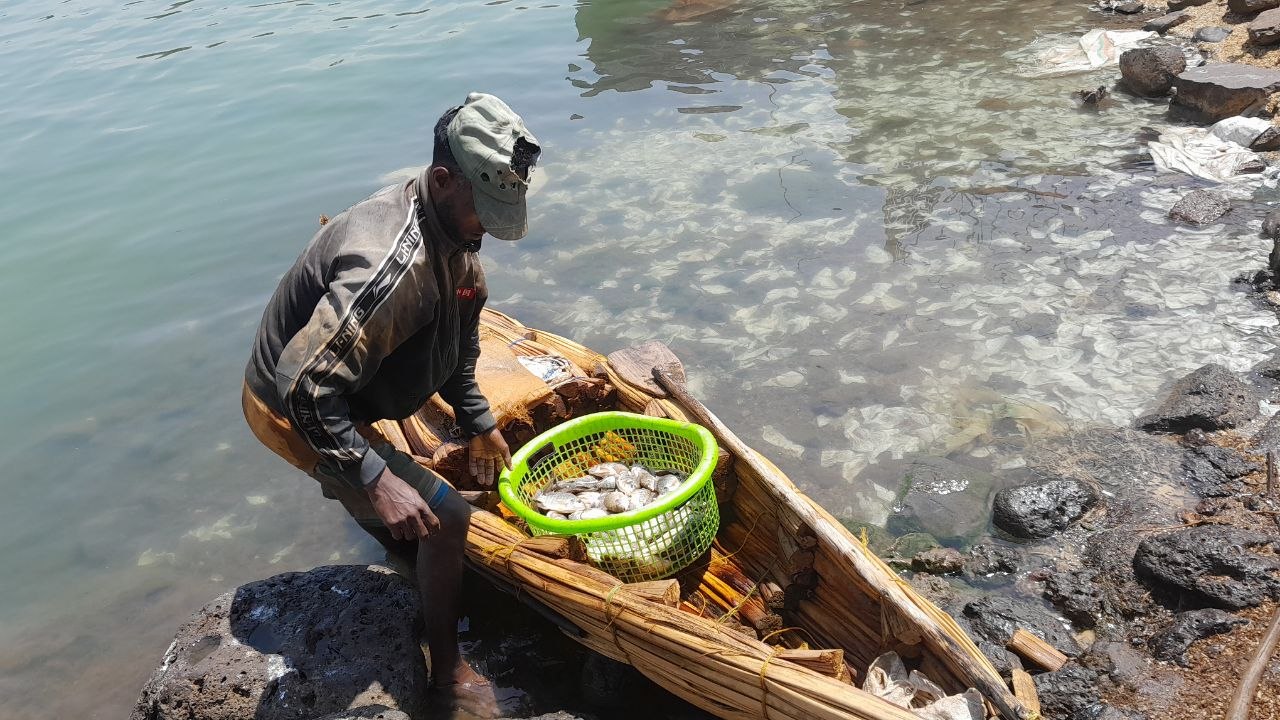
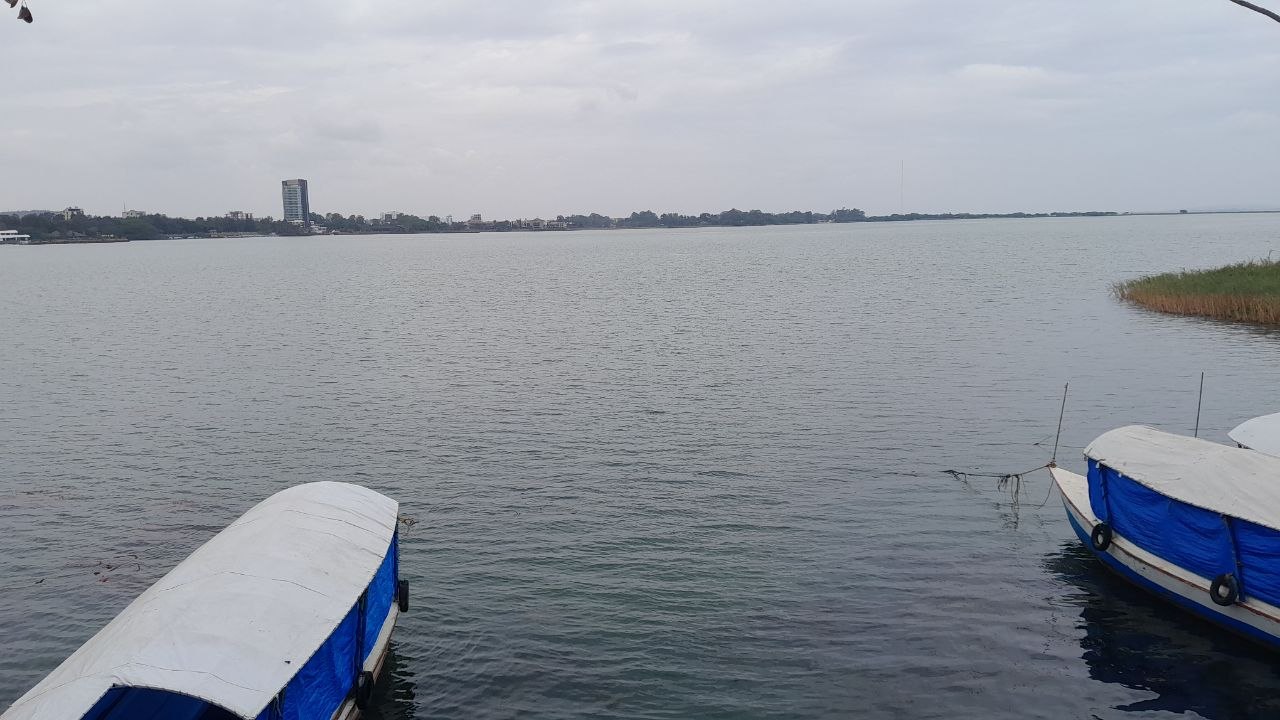
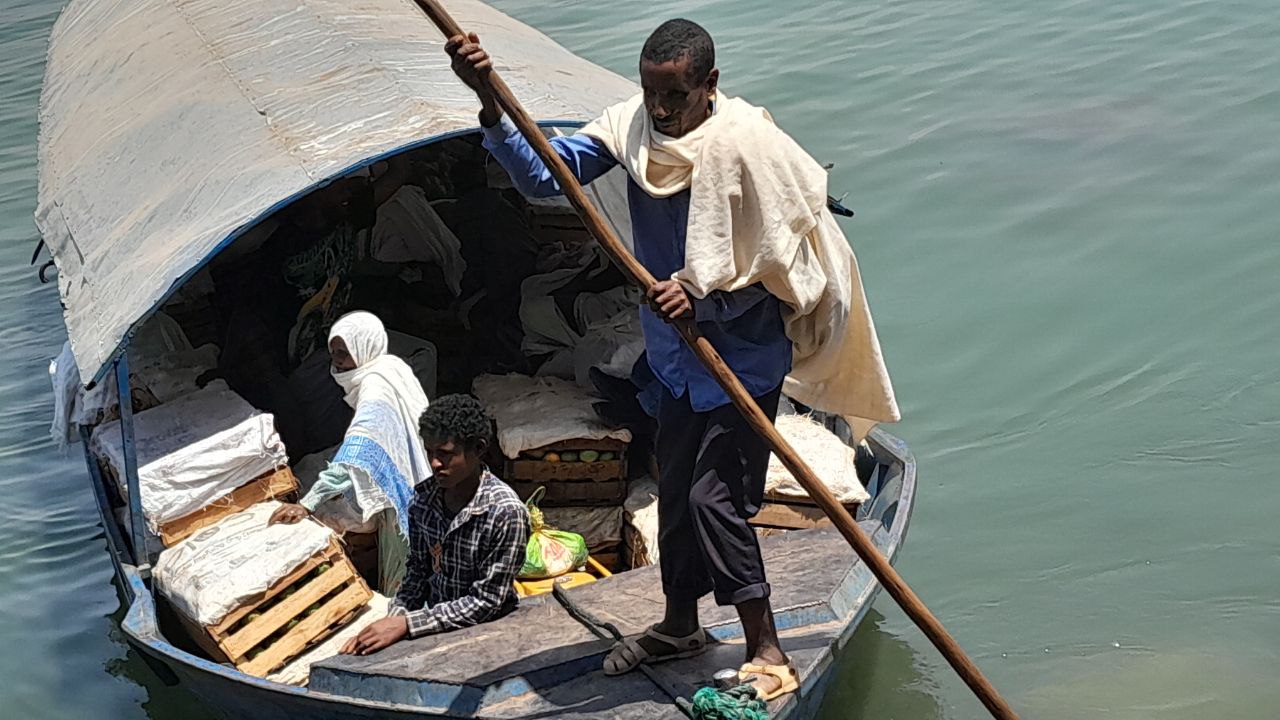
Restoring lakes, wetlands, and surrounding ecosystems—particularly Lake Tana, Zeway, Abyata, and others in Benishangul Gumuz—to protect biodiversity, sustain water resources, and support resilient local livelihoods; and advocating for policies, good governance, and integrated ecosystem management approaches.
Healthy and Eco-Friendly Cities
Supporting greener urban development in cities and towns connected to targeted lake and wetland ecosystems through cleaner environments and resilient infrastructure; promoting sustainable urban features including efficient waste management, green spaces, and water-sensitive design; and advancing inclusive urban planning and governance to foster healthy, livable, and environmentally sustainable communities.
Livelihoods and Social Protection
Community Engagement and Behavior Change
Encouraging community participation and positive behavior change to support health, resilience, and environmental stewardship; promoting community ownership and the establishment of engagement centers to strengthen local capacity; and leveraging digital solutions to enhance outreach, knowledge sharing, and sustained community impact.
Research, Policy Dialogue, and Advocacy
Generating evidence on ecosystem–health linkages and documenting environmental and health impacts; building partnerships and networks with research institutions at national and global levels; and promoting policy dialogue while advocating for stronger ecosystem and public health protections.
Photos and Videos
This section documents field activities, ecosystem restoration initiatives, community engagement programs, and environmental protection efforts through visual media.